Tuesday, March 12, 2024

EOTO 2 "Crime and Women's Sports Reporting"

                                  EOTO 2 Crime and Women's Sports Reporting 

Once America was out of the First World War America was transformed into a society that was known as The Roaring Twenties. The age of prohibition, Women’s suffrage, flappers, and speakeasies oh my. Journalism needed to have extra pizazz just as jazzy as this decade was. News incorporated daily leisurely reads such as local and national crimes which included details about criminals, and murderers, how they committed their crimes, and the answer to the why. Women got their big breakthrough in reporting about athletics after their voices were finally heard.   


What is crime reporting and how did it thrive during this era? Crime reporting is a type of journalism where local and national information about crime, criminals, and criminal activity is released to the public. A crime reporter of this era would report firsthand at a crime scene trying to get any information and facts reported to the public immediately. This included descriptive details about criminals, murderers, how they committed their crimes, and why. The police and journalists would work hand in hand. The police provided information to journalists to share with the people while the journalists gathered any information about a crime from the police. Most of the time crime reporters were able to investigate and write stories about unsolved cases. Journalists could provide police with leads by assisting police with their stories to find out “Who did it?”  
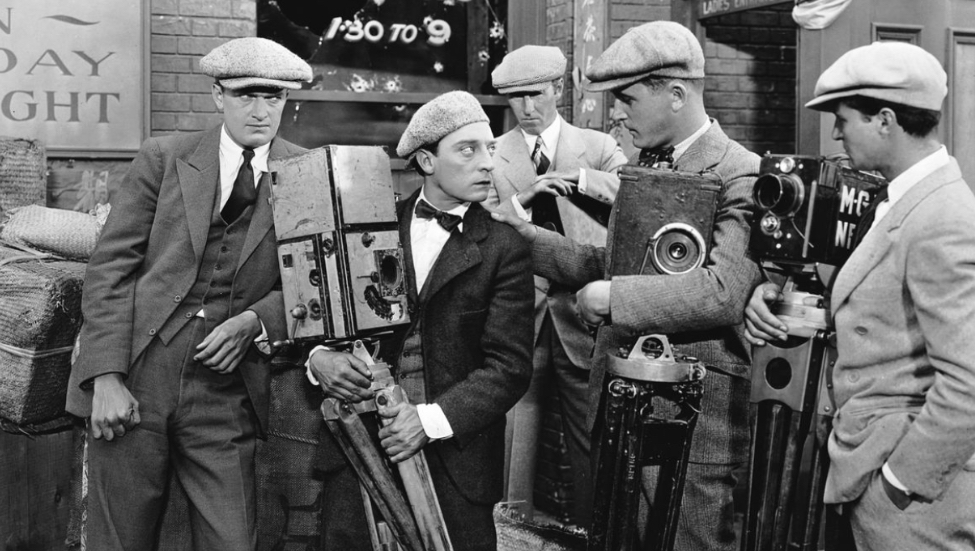
 

What was going on when crime was more rampant than in any other decade? Once the United States government enacted the Prohibition Act under Woodrow Wilson alcohol was banned and crime reached its peak. This law had the opposite effect and the crime rate increased rapidly. Prohibition meant that gangs and crime leaders ruled various cities across America. No one was better at committing white-collar crimes than the mob leaders themselves.

What did the 1920s mean for journalism? Investigative journalism thrived during this time, so reporters could write stories frequently and crime reporters were very much needed. During this decade crime was very strategized and criminals were at the top of their game using their illegal moves to scheme their mastermind felonies. On every street corner there was a crime scene that meant a crime reporter would be nearby.    


At the scene of a crime, journalists would take notes on a notepad and write down the most important and the most valuable information that a reporter could. News during the 1920s consisted mostly of the technological innovations of modern newspapers and the radio. Breaking News was a term introduced where reporters could gather facts at a crime scene and then relay that message directly to the newsroom. Crime stories would grasp the reader’s and listener’s attention creating an element of fear while informing American Citizens about what was going on in their cities.  


Jake Lingle was a famous crime reporter in the 1920s who worked for the Chicago Tribune. As he was walking on an Illinois alleyway, he was murdered in broad daylight with a fatal gunshot wound to the back of the head. He was a respectable journalist among readers and his peers or so they thought. His unexpected murder caused quite an uproar in the journalism department in Chicago and other news networks in America. Many news reporters feared that their fate would be the same as Lingle’s. The New York Tribune recalled, “Whose business was to expose the work of killers.” Jake Lingle was seen as a victim until the public found out that he was friends with popular mob leader Al Capone. Once Lingle had ties to one mob he became a target of another. Due to the amount of national attention that this crime story got journalists dug up some information on Jake Lingle. He would plagiarize other journalists’ facts and write his own story. Did Al Capone murder his source? Some people thought that Capone had eight henchmen murder Lingle while others thought that Capone had too much going on at the time to murder a journalist. However, some thought that the murderer could not have been Capone due to how many witnesses there were at the scene of the crime. This unsolved case was closed once it was discovered that Jake Lingle was murdered by another mob as vengeance against him 


Leisure activities and everyday life flourished in newspapers as a popular choice for readers in the 1920s. The women’s suffrage movement meant that women were guaranteed the right to vote. As all the women fought for their voices to be heard journalism and news corporations transformed into a new societal change where women had more prominent roles in writing and reporting. Since so many people read about athletics the need for sports reporters grew. The nineteenth amendment paved the way for women to have the ability to pursue careers in sports reporting. Across The United States in all the major sports-dominated cities there were thirty-five female sports reporters dedicating their time to writing about athletics. Three female sports reporters were credited with being prominent journalists in the 1920s. Margaret Goss was a female reporter for the New York Tribune who reported on all areas of women’s sports. Lorena Hickock was a female reporter who reported on male sports which was rare for a woman to do. Jane Dixon was a female reporter from the New York Telegram who reported on all sports specifically focusing on boxing. Female Sports Reporters provided a brand-new outlook throughout the journalism industry. There were many people against women’s rights in the 1920s however women transformed the sports industry with their stories. As an aspiring female journalist, I always find it remarkable how female journalists throughout this decade were able to succeed in a major male-dominated society by writing about athletics.           


    As a reader, listener, and watcher of the news, the public can see how transformative The Roaring Twenties was for journalism. Crime Reporters informed American citizens about crimes and how to keep their communities safe. Crime reporters were honest and factual as they brought justice to criminals while respecting and honoring the victims and their families. Organized crime was so strategically planned that it was the birth of the daily reports of crime that we see today. Margaret Goss, Lorena Hickock, and Jane Dixon are three women who changed sports broadcasting forever. The 1920s were an era that defined jazz journalism and modern broadcasts today.  


Wednesday, March 6, 2024

The Front Page Movie Review

                The Front Page Movie Review

The Roaring Twenties meant raging journalism news stories throughout America. The term jazz journalism provided readers and listeners with new stories that would gain attention with catchy headlines and promising stories on dramatic daily events. In this era, many people were tired of reading newspapers about war and censorship. The public wanted to be entertained and read stories about sports, celebrity gossip, crime, and everyday living. A perfect example is the comedy action-packed film “The Front Page” which exhibited what a reporter would have been like in a newsroom in this jazzy decade.  


  Journalism was a power-hungry entity that sought to give the best stories to the public, beating competitors by selling the most copies possible. With the technological invention of the telegraph, news was spread faster to the public. Headlines were always used as the hook grasping readers and listeners’ attention. Journalism saw newspapers and the telegraph become revolutionary as the news was a first-class job at the time 

     The characters in the film were depicted as to what the relationship was like between a respectable reporter and his boss. Walter Burnes, an editor for the Chicago newspaper was the definition of a journalism empire in which he craved power and saw his newspaper as the best out there. Hildy was a trustworthy and popular reporter who was ready to retire and marry Peggy, the girl he loved. Hildy wanted to go into Peggy’s family business and learned from Walter “Never end a sentence with a preposition.” However, boss man Walter Burnes could not let his best source and storyteller leave. Throughout the film, Hildy tries to retire from his storytelling days when Walter Burnes wants him to author a once-in-a-lifetime story about a psycho criminal who just escaped from prison. What reporter would not want this story? Walter Burnes wanted the right reporter at the right time and that reporter happened to be Hildy 


  The newspaper business was in its prime when people could report on attention-grabbing stories such as Hildy's breaking criminal escapist news story. Reporters were very secretive where they could get the most information, be able to draw conclusions, and pinpoint the clues leading to various crimes committed. Investigative journalism was used as a tactic so reporters could ask questions and get the latest information before any news competitor could. The exclusive stories are what makes a journalism empire. Once Hildy was face-to-face with the framed criminal, he knew that he would get the best story by asking private questions to publish the answers first. Investigative journalists will do about anything for a gossip-filled news story. Hildy and Walter Burnes collaborated to get the best story of their careers. Reporters were able to eagerly report to the public. Hildy took notes right away and tried to get the jazzier information about the framed criminal and release it creating a story that would define investigative journalism. Once this news story got out the community and society would be introduced to a new form of journalism. Hildy got right to the scene of the crime by keeping all the other reporters out of the newsroom to ensure that he and Walter Burnes would be the only ones to know about this special undercover interview. Once an investigative journalist had a lead, they could report a crime that they knew would be the gossip of the town.  

    Freedom of Speech and Press allows journalists to speak their minds freely providing knowledgeable information to the public. Under this law, the rights of reporters are protected, however, once politics gets involved certain leaders try and take their voice away from the people. Hildy and Walter Burnes were able to dig up information on the mayor and his white-collar crimes fueling his political agenda. Journalism was fueled by political reasons and affiliations. From the movie “The Front Page” I learned about various issues that journalists and reporters faced in the Roaring Twenties and prevalent in today’s newsroom.


Final Blog Post

            Will Newspapers Become Extinct?  When was the last time you held a newspaper? Last week? Last year? Newspapers revolutionized th...